Harvey AI is often one of the first tools legal teams consider when exploring AI for research, contract analysis, and document review. Over time, however, many teams realize that contract work involves more than review alone.
Requests still arrive through email or chat, approvals remain spread across inboxes, and answering basic questions about renewals, risk, or spend requires manual effort.
As these gaps become more visible, teams begin searching for Harvey AI alternatives that support the full contract workflow, not just individual tasks. That typically includes structured intake, clear approval workflows, and reliable reporting across all contracts: areas that sit outside traditional AI research tools.
Aline is built around that broader contract workflow. It brings intake, review, approvals, and portfolio-level reporting into a single system, giving legal teams clearer visibility and fewer handoffs. In fact, customers report XX% faster approval cycles and XX hours reclaimed per quarter as contract volume scales.
In this guide, we’ll see what Harvey AI offers, where teams commonly need more coverage, and how Aline and other alternatives address those needs.
Harvey AI is a newer addition to the growing lineup of legal AI tools. It helps law firms and legal teams tackle the time-consuming work of manual case-law research, line-by-line contract reviews, and sifting through lengthy legal documents.
Simply put, this AI software processes large volumes of legal information far faster than manual review, work that often takes multiple billable hours. With legal associates billing around $370 per hour on average, and up to $950+ at top firms, even routine reviews can quickly rack up high costs.
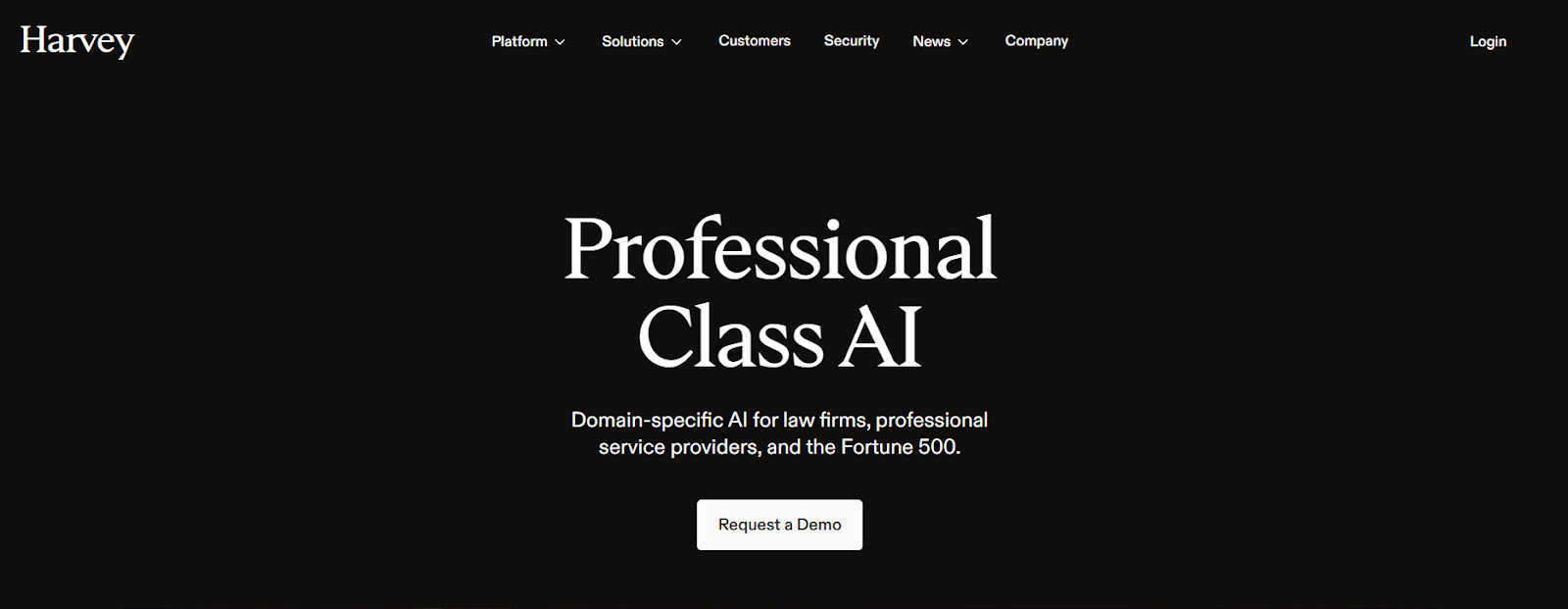
Source: Harvey.ai
It can draft, review, and summarize legal documents, answer legal questions, and highlight important clauses for quicker decision-making. For busy legal teams, it helps reclaim billable time, reduce the risk of missing high-impact clauses, and maintain consistent contract standards across every draft.
Key features of Harvey AI include:
While Harvey AI is still relatively new in the market, it’s quickly gaining attention. That said, many professionals also explore Harvey AI alternatives to find tools that align better with their specific needs.
While Harvey AI is effective for legal research and analysis, organizations that rely on it in isolation often face operational gaps that surface at the management and governance level.
Gap: No central contract repository
Practical risk: Contracts and critical clauses remain distributed across inboxes, shared drives, and personal folders. This fragmentation limits visibility for Finance, Audit, and compliance teams.
Business impact: Industry research links ineffective contract management to losses of approximately 9.2% of annual revenue due to missed obligations and unmanaged renewals. For an organization with $100 million in revenue, this equates to nearly $9 million in avoidable leakage per year.
Gap: Missed renewals and auto-renew traps
Practical Risk: Without structured renewal tracking, contracts silently roll over under outdated or unfavorable terms. Legal teams lose leverage to renegotiate, while finance faces unplanned spend.
Business impact: Missed renewal windows often lock organizations into 15% pricing increases per renewal cycle, which can translate into six-figure cost overruns for mid-sized vendor agreements.
Gap: Revenue leakage from untracked obligations
Practical risk: Discounts, service credits, rebates, and SLA penalties negotiated during contracting are rarely monitored post-signature, leaving value unrealized.
Business impact: Organizations can lose up to 9.2% of total contract value due to unmanaged obligations, directly impacting margins and forecast accuracy.
Gap: Legal and compliance penalties
Practical risk: Expired terms, overlooked indemnities, or non-compliant clauses increase exposure to disputes, audits, and regulatory scrutiny, often discovered too late.
Business cost: Contract disputes and compliance failures routinely escalate into hundreds of thousands of dollars in legal and remediation costs, excluding reputational risk and executive distraction.
Aline is an AI-powered contract management platform that takes a broader approach than Harvey AI by covering the full contract lifecycle in one place.
It’s built for legal departments, sales teams, and operations teams that want to draft, review, negotiate, sign, and store agreements without hopping between multiple tools.
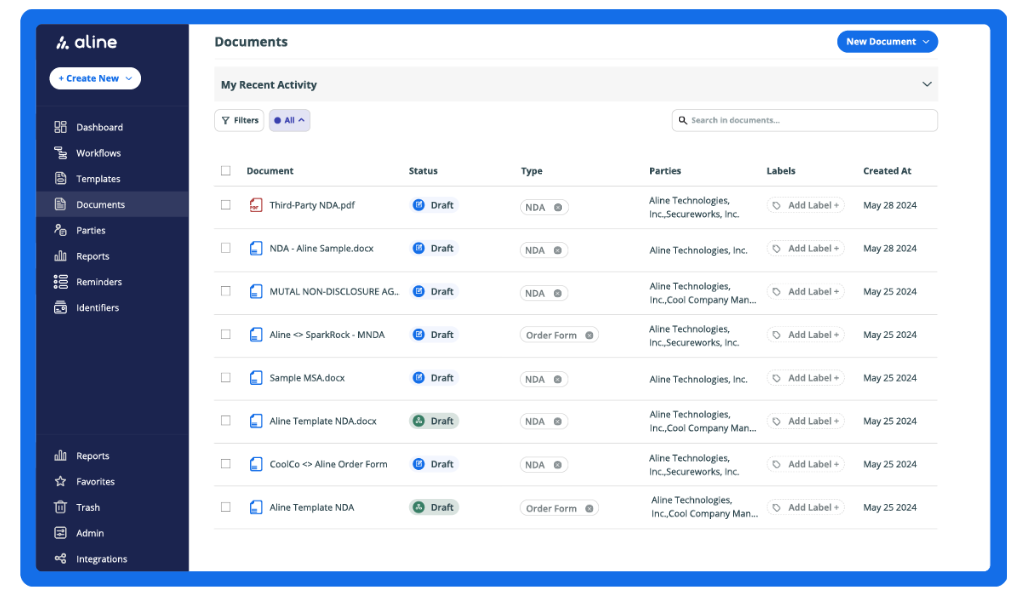
While Harvey leads on research, Aline handles the full contract workflow, reducing cycle time, getting deals signed faster, and proving legal’s strategic value through measurable results.
You can draft complex agreements in minutes, redline third-party contracts faster, and keep every document organized in its AI-powered repository.
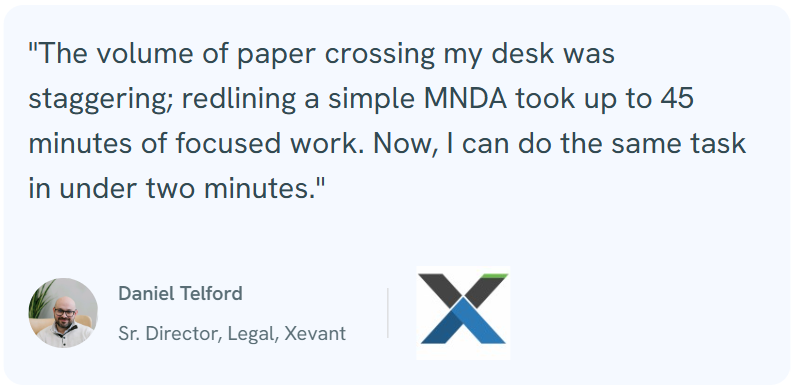
Users also say that a first pass on a 50‑page contract can take around 15 minutes, while a typical MNDA review can be completed in under 2 minutes using Aline’s redlining tools.
"We were able to see renewal timelines and clauses across hundreds of contracts instantly. What used to be hours of searching now takes minutes.”
- Erin Zasada, Paralegal
The platform also makes cross-team collaboration easy and offers unlimited e-signatures, so you can move deals forward without delays. And with SOC II certification and a commitment to not training AI on your data, it’s built with security and privacy in mind.
The Aline advantage
While AI assistants, Word plugins, and traditional CLMs each solve parts of the contract workflow, Aline combines all the critical capabilities into a single platform. Unlike most alternatives, Aline offers:
Start your trial today and see how Aline can help you get contracts drafted, signed, and organized in record time!
CoCounsel, developed by Thomson Reuters, uses machine learning to help legal professionals handle research, drafting tasks, and document management more efficiently.
It can support common legal tasks like analyzing case law, reviewing contracts, and preparing deposition materials.

Source: ThomsonReuters.com
The platform is aimed at saving valuable time so lawyers can focus on higher-value work for clients or the business. CoCounsel can summarize long documents, flag potential legal issues, and provide quick answers to complex questions.
It’s a popular option among teams that want an AI assistant for legal analysis, but still prefer to leave the final review to human reviewers.
Spellbook is a contract-focused tool that brings AI-powered contract review and document drafting directly into Microsoft Word. It’s built for legal work that needs to move quickly without leaving the drafting environment lawyers already know.
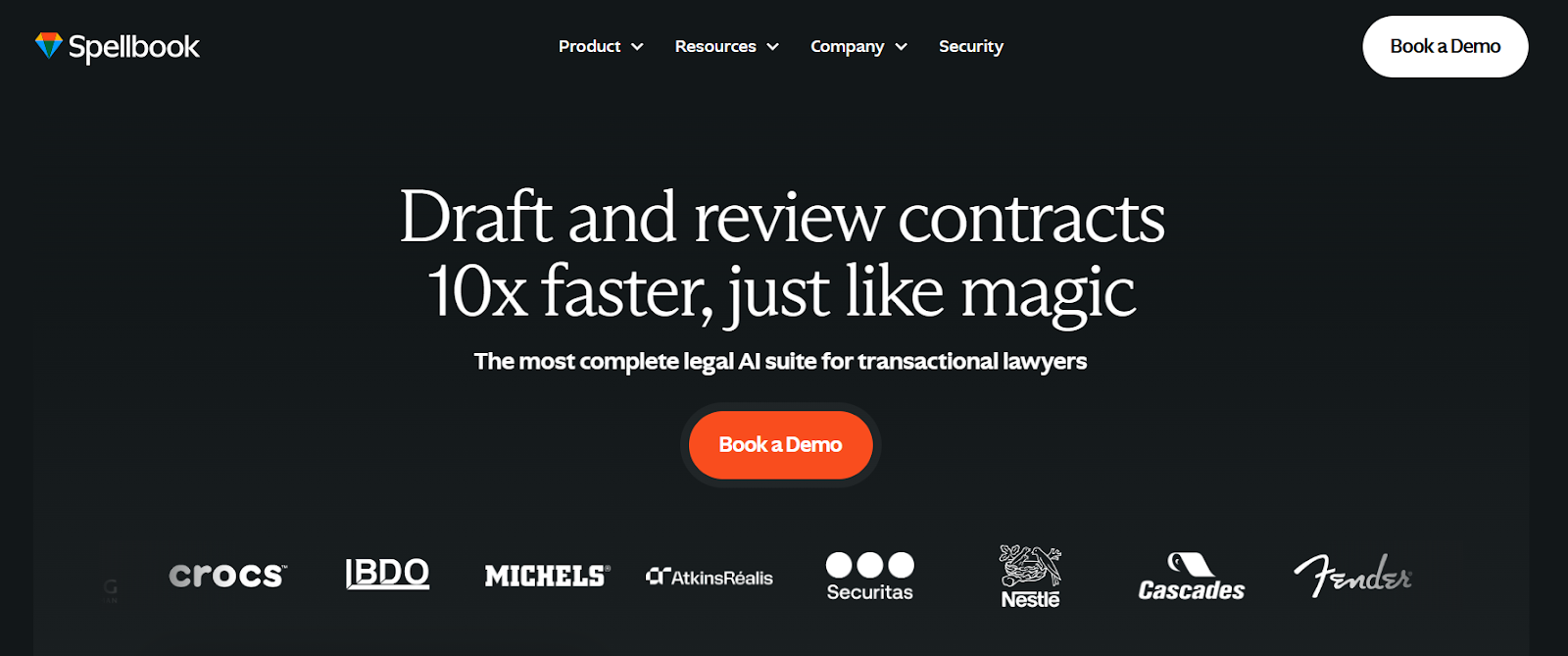
Source: Spellbook.Legal
The AI offers real-time clause suggestions, highlights key elements in agreements, and answers legal questions as you type, which makes it easier to keep complex workflows on track.
The platform uses generative AI and an extensive database to suggest language, flag risky terms, and speed up due diligence. This can help lawyers and legal teams handle agreements more efficiently, especially when reviewing high volumes or working under tight deadlines.
Everlaw is a litigation and investigation platform designed to help attorneys and legal teams access relevant information quickly and use it to make more informed decisions.
It’s often used for large-scale cases but can also support solo practitioners who need a reliable way to organize and review evidence.
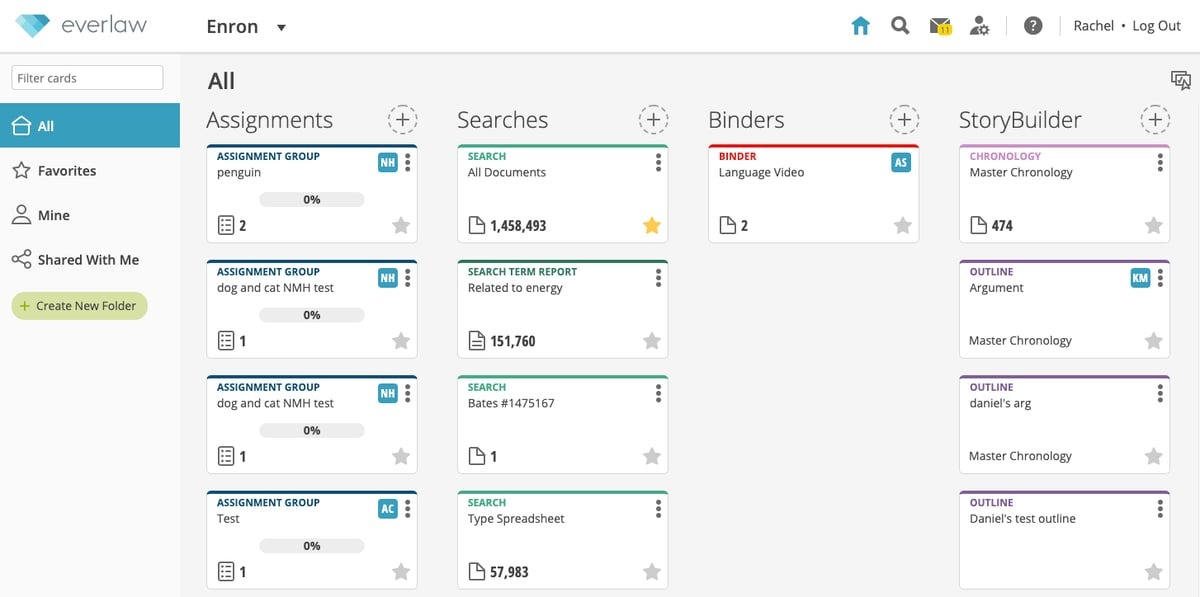
Source: G2
The platform brings together document review, case preparation, and collaboration tools in one place. While it’s packed with cutting-edge features, the interface is designed to minimize the learning curve so teams can get started without extensive training.
Luminance is an AI platform focused on contract review and compliance work, designed to help legal teams improve efficiency when handling large volumes of documents.

Source: Luminance.com
It’s used for tasks like due diligence, risk assessment, and ongoing contract management, which makes it a fit for both transactional work and routine monitoring.
The system analyzes agreements to spot unusual terms, compare documents against standard templates, and highlight areas that may need attention. While it can speed up review processes significantly, some users note limitations when handling highly specialized or nuanced legal matters, which still require human judgment.
Harvey’s AI can be a helpful partner for generating or rephrasing contract language, but it doesn’t handle the full lifecycle you actually need: approvals, routing, tracking, compliance, and signatures.
Aline aims to be the all-in-one partner: it brings drafting, review, approval workflows, and signing into one place, so teams aren’t jumping between multiple tools just to get a contract over the line.
Modern CLM platforms can cut contract cycle times by 40–55% compared to manual processes and standalone tools. Likewise, legal review time is reduced by 50–70%, translating directly into faster deals and fewer workflow delays across legal, sales, and finance.
Aline’s platform is purpose-built to support the entire process with real‑world features that matter day‑to‑day:
These elements work together to reduce limitations (especially around approvals, which account for the majority of contract delays) and give teams clearer visibility and control across the whole cycle.
Run a redacted contract in Aline’s no‑card, 21‑day free trial and watch how review time drops from 45 minutes to about 2 minutes in practice. Start the clock today.
Law firms should look for a tool that manages the entire contract lifecycle: drafting, approvals, signing, and reporting, in one secure platform, rather than just AI analysis. The goal is to replace scattered tools with a single system that supports collaboration, analytics, and execution.
Aline is a full AI contract lifecycle management (CLM) platform, not just a Word plugin or metadata extractor. It supports drafting, AI-assisted redlining, routing, approvals, built-in e-signatures (AlineSign), and reporting in a single platform.
Harvey AI does not publish pricing, but reported estimates commonly place it around $1,000–$1,200 per lawyer per month. Actual costs vary based on firm size, seat count, and negotiated enterprise add-ons.
Yes. Aline is built to replace the typical mix of multiple tools, shared drives, and spreadsheet tracking by centralizing drafting, negotiation, signing, storage, template management, and automated workflows into one system.
Yes. Aline can ingest contracts, extract key data automatically into a searchable repository, and generate portfolio-level insights and reports without manual tagging, making it practical for large contract volumes and structured analytics.

Brent is an attorney, a full-stack JavaScript engineer and the CEO of Aline.


Subscribe to our newsletter to receive new posts straight to your inbox 👇