If contracts already feel harder to manage than they should, you’re probably not doing anything wrong.
Contract volume is rising, more teams are involved, and expectations around speed and visibility keep growing. That’s usually when people start looking into contract lifecycle management (CLM) for the first time or questioning whether their current setup still makes sense.
This guide is for both camps. If you’re completely new to CLM, it will help you understand what these tools actually do and why they matter.
And if you already use one and feel friction creeping in, it will help you see what better options look like heading into 2026.
Contract lifecycle management is simply how contracts move from start to finish.
It covers what happens before anything gets signed, what happens during review and approval, and what happens after the agreement is in place. The idea is to keep contracts easy to follow at every stage.
CLM tools, often called contract lifecycle management software, give that process some structure.
They support a clear contract management process so contracts move forward without confusion or constant check-ins. Each step connects naturally, which makes the entire contract process feel far more manageable.
Most CLM tools help manage the entire contract process with things like:
With all the basics down, let's move on to the section you're here for.
If you’re new to CLM or looking for a better setup in 2026, the options can feel overwhelming at first.
The tools below stand out for how they handle the entire contract process in a way that feels easier to manage as contract volume grows:
Aline is an AI-powered CLM software platform that's built for teams that want contracts to move faster while staying organized at every step.
It brings AI contract drafting, review, approvals, signing, and tracking into one connected system, with the goal of making contract work clear rather than scattered (as it usually is for most businesses).

What makes Aline stand out is how naturally it supports the way contract work actually unfolds. You begin with structured templates that reflect how agreements are written in practice, which removes a lot of early friction.
From there, contract reviews move forward in a clear order, so progress stays visible without constant follow-ups. And as contracts reach the finish line, signing happens inside the same system to keep momentum intact.
Throughout the process, AI support steps in to speed up drafting and review, while final decisions stay with the people responsible for the outcome.
For teams moving into 2026 with higher contract volume, Aline offers contract lifecycle management software that feels practical, flexible, and easier to manage across legal, sales, and operations.
Ready to upgrade your CLM process? Start a free trial with Aline today.
DocuSign started out as an e-signature tool, and for many teams, that’s still how they first encountered it. Over time, it expanded into full contract management software by adding tools that support contract drafting, approvals, storage, and tracking alongside electronic signing.
That shift made it a familiar option for companies already working with digital contracts and looking to manage contracts efficiently in one ecosystem.
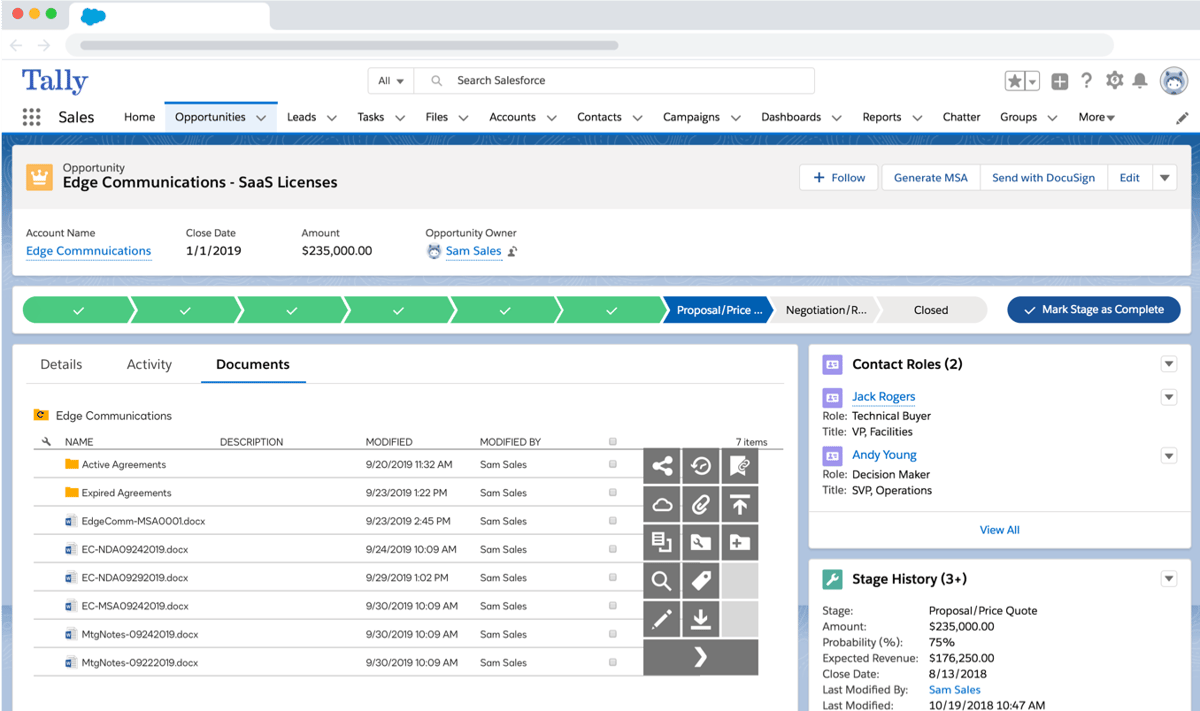
Today, DocuSign CLM is used by both legal and business teams that want tighter control over how contracts move from creation to signature.
It brings structure to drafting and review, connects approvals to defined workflows, and keeps signed agreements accessible after the deal closes.
Ironclad is designed for teams that handle a steady flow of contracts and want more structure around how those agreements take shape.
As a contract lifecycle management platform, it focuses heavily on the front and middle of the process, especially contract creation, negotiation, and approvals.
It’s commonly used by legal teams working closely with sales teams, where speed and consistency matter just as much as oversight.

The platform centers on guided workflows that help draft contracts using approved language while keeping reviews organized. Requests come in with context, draft contracts move through defined approval paths, and changes stay visible as terms evolve.
That setup helps teams keep better control over an organization’s contracts as volume increases, without losing track of who owns what at each stage.
ContractPodAi has rebranded and evolved into Leah, bringing the core CLM system you’d expect, along with a broader intelligent AI platform that supports work across legal, procurement, finance, and more.
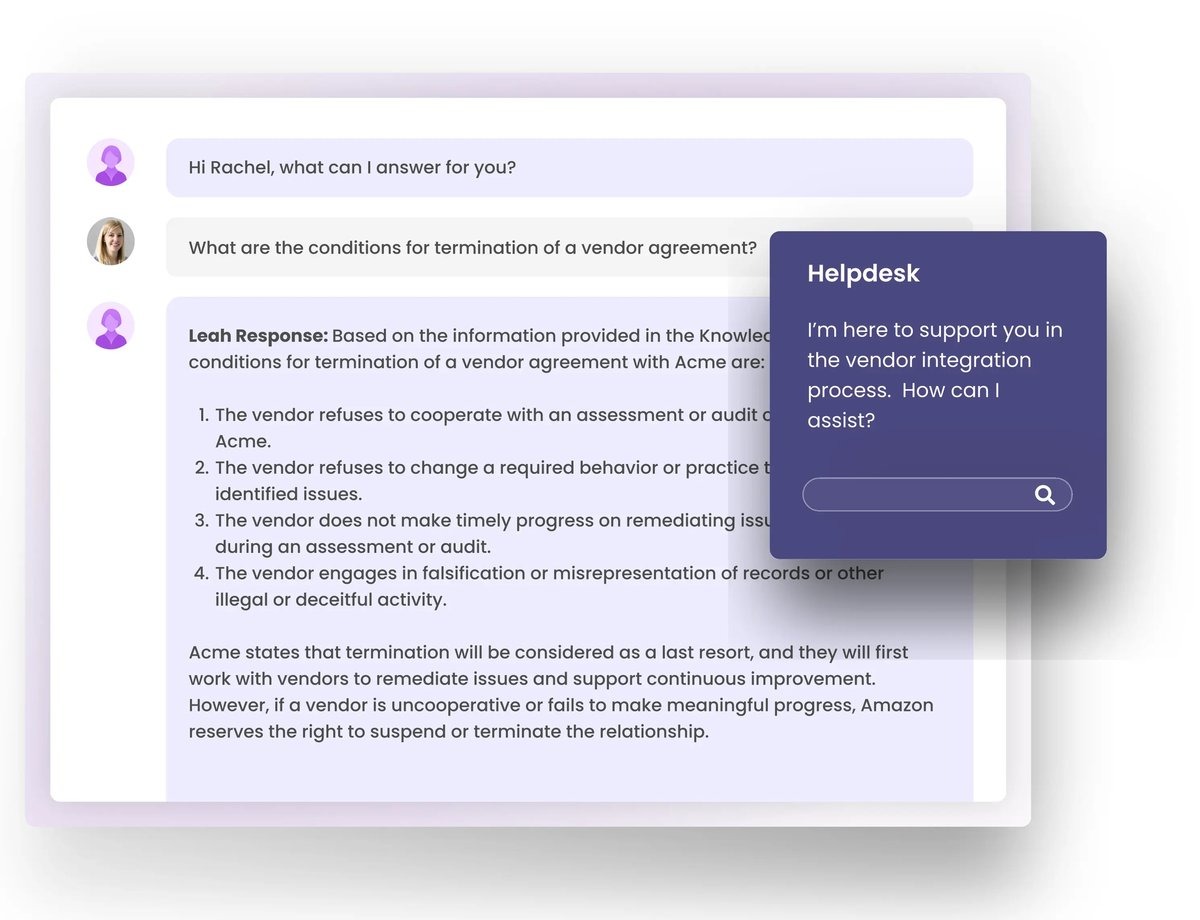
What used to be a strong contract lifecycle management solution now sits inside a more expansive contract lifecycle management platform powered by agentic AI. Now, the platform aims to help teams work faster and with greater clarity across every stage of contracting.
Leah’s CLM offering focuses on helping both legal and business teams manage contracts efficiently while maintaining visibility and control.
It guides you from contract creation through negotiation and execution, with AI that understands your contracts and can surface insights, suggest clauses, and help track obligations across your organization’s contracts.
Agiloft is a CLM platform often chosen by companies that want a high level of control over how business contracts are created, reviewed, and tracked.
It’s commonly used by legal departments that manage complex agreements and need flexibility to match internal processes. Plus, many companies rely on Agiloft when contracts play a direct role in supporting broader business goals, not just legal oversight.

The platform puts a strong emphasis on structure and customization. Teams can organize contracts around contract type, owner, or stage, while keeping contract negotiation and approvals aligned with internal rules.
Agiloft also places focus on contract performance, which gives teams ways to track obligations, timelines, and outcomes over time. That makes it a good fit for organizations that want CLM features they can tailor closely to how they operate.
Icertis is a CLM solution for organizations handling a large number of new contracts across teams and regions. The platform is popular among legal teams working closely with business users, especially in environments where legal requirements and internal policies carry real weight.
Essentially, it supports contract execution at scale while keeping key stakeholders aligned as contracts move forward.
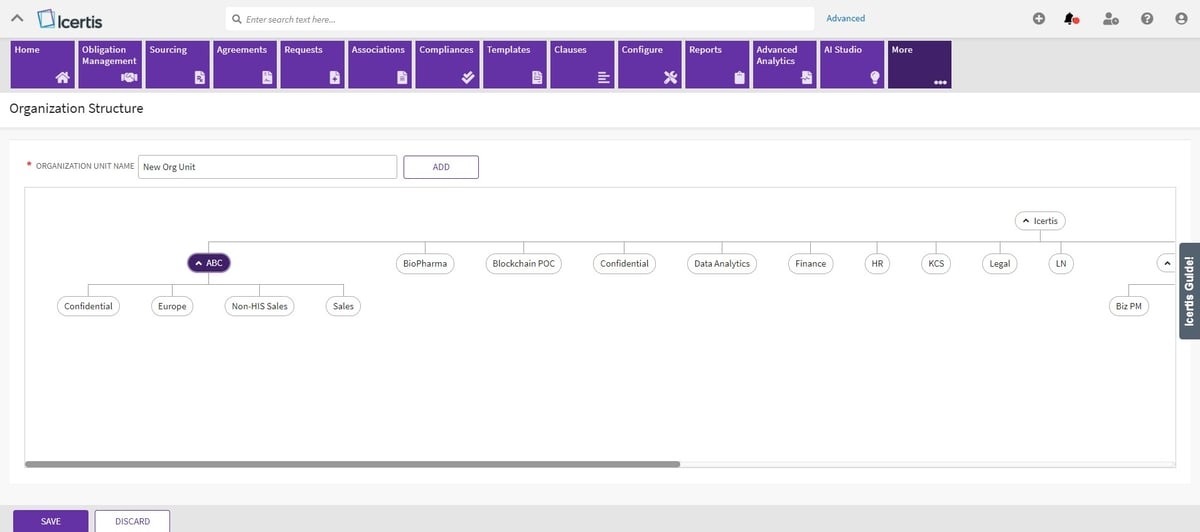
A big focus for Icertis is ensuring compliance without slowing down day-to-day work. Teams can automate workflows for drafting, review, and approvals, which helps reduce manual effort while supporting business growth.
Additionally, contract data stays connected from creation through execution. That means teams get a clearer view of obligations, performance, and risk across the contract lifecycle.
Last but not least, Juro is built for teams that want to create contracts quickly while cutting down on manual effort. It’s a browser-based CLM tool that moves contract work away from long email threads and heavy reliance on Microsoft Word.
Legal professionals often turn to Juro when they want a simpler way to handle contract review, updates, and approvals without constant version swapping.
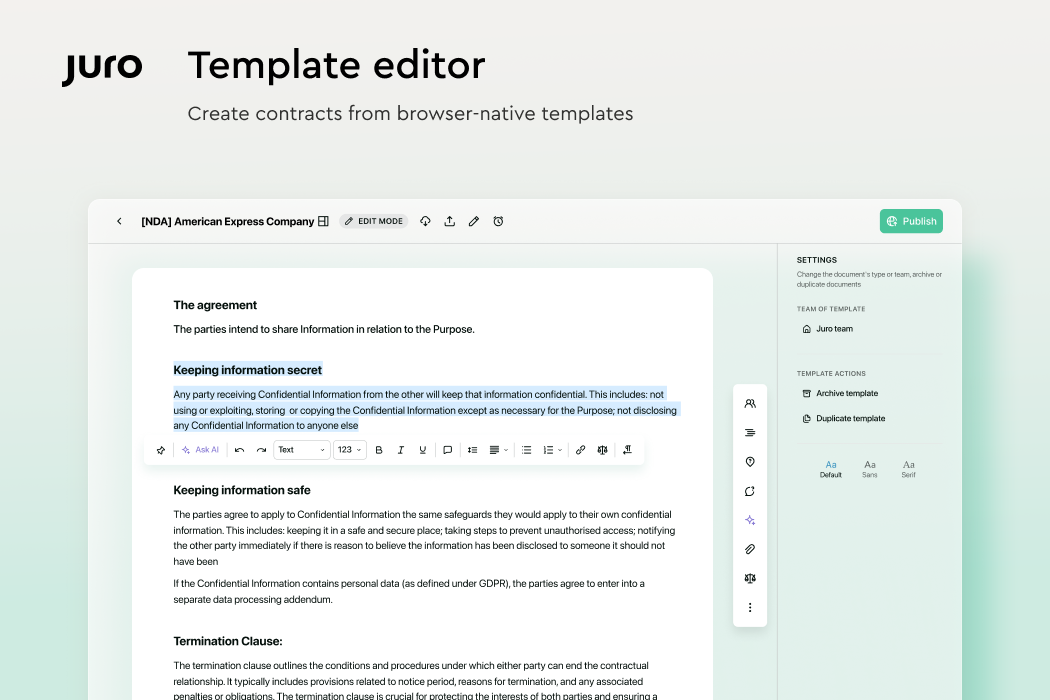
Juro focuses on keeping everything in one place. Contracts are created directly in the platform, changes are tracked, and reviewers always see the latest version. That reduces manual data entry and makes contract changes easier to manage as deals evolve.
Accessing contracts later is also straightforward, which helps teams stay organized once agreements are signed.
Choosing between contract lifecycle management tools ultimately comes down to how your team actually works today and where things tend to slow down.
Some teams need help getting contracts out the door faster, while others care more about visibility, consistency, or keeping risk under control as volume grows. The right CLM tool supports better contract management without forcing a complete process overhaul.
Here are a few things worth paying close attention to:
If you’re looking to upgrade how contracts are handled in 2026, Aline stands out as the strongest choice on this list. It brings structure to the entire contract process without making it feel rigid or overly complex.
Drafting, reviews, approvals, signing, and post-signature tracking all live in one place, which makes everyday contract work easier to manage as volume grows.

What really sets Aline apart is how well it balances flexibility with control. Teams get the speed they need, legal stays closely involved, and contract data stays visible long after agreements are signed.
Basically, it’s a setup that works just as well for fast-moving deals as it does for long-term oversight.
If you’re ready to move away from scattered tools and manual work, start an Aline trial today!
CLM stands for contract lifecycle management. It refers to how contracts are handled from creation through signing and beyond, using a contract management system to keep contracts, related documents, and critical data organized in one place.
The five stages usually include request and drafting, review and negotiation, approval, execution, and post-signature management. That last stage covers things like contract renewals, ongoing obligations, and visibility into performance over time.
No. CLM and CRM serve different purposes. A CRM focuses on customer relationships, while CLM supports contracts themselves. That said, many CLM tools offer seamless integration with CRMs so sales, legal, and procurement teams can stay aligned.
The right CLM software depends on how your team works, but Aline stands out for its balance of structure and flexibility. It supports contract analytics, real-time negotiation functionality, and strong risk mitigation features that help reduce legal risk while keeping deals moving.

Brent is an attorney, a full-stack JavaScript engineer and the CEO of Aline.


Subscribe to our newsletter to receive new posts straight to your inbox 👇