Contract systems are easy to compare on feature lists. The harder question is what happens after the demo, when the system has to support real contract work, daily users, and the decisions tied to every agreement.
Sirion is built for serious enterprise contract management, so it can be a strong choice for companies with complex contract lifecycle management (CLM) needs.
But a powerful system can still feel like the wrong fit if rollout takes too long, everyday users avoid it, or your team needs practical AI more than a heavily configured enterprise setup.
This guide breaks down the best Sirion alternatives and what each one does well, so you can choose a CLM platform that fits your team’s pace, process, and contract workload.
What Is Sirion?
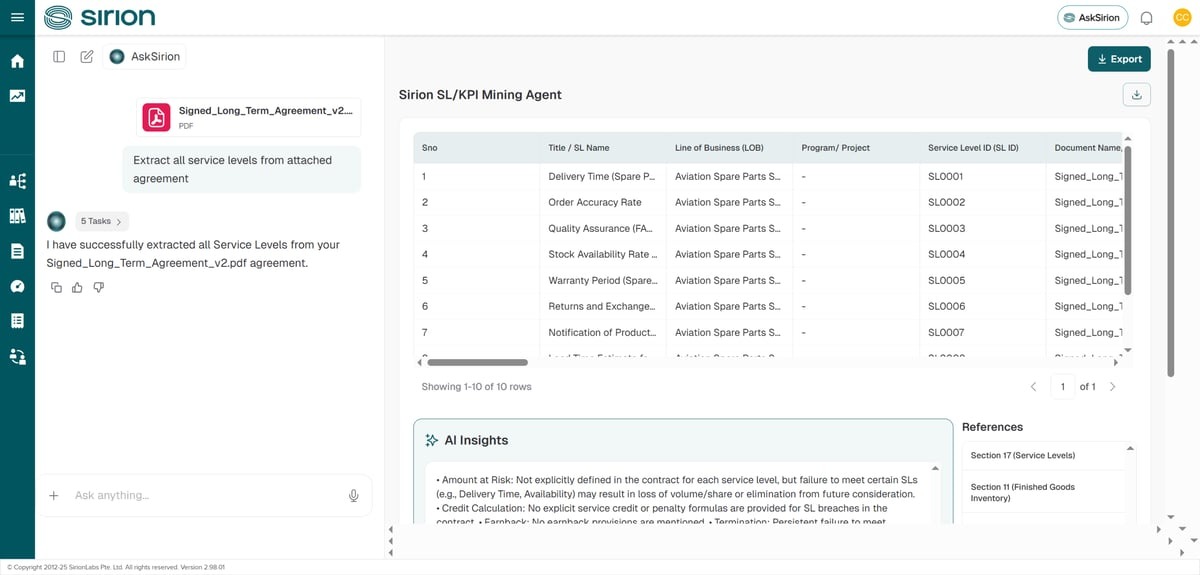
Sirion is an AI-native contract lifecycle management platform built for enterprise contract management. It helps teams create, review, negotiate, store, search, and manage contracts in one system.
Source: G2
If your team handles a large contract portfolio, Sirion is the type of CLM platform you might consider when manual tracking starts to slow the process down.
It's often used by legal, procurement, sales, finance, and other business teams that need a clearer way to manage agreements all throughout the process.
In the CLM space, Sirion is known for its focus on contract intelligence and agentic AI capabilities. For example, its platform can help teams pull key details from contracts, search agreements using natural language, review terms, and track obligations after signing.
Sirion can be a strong option for companies with complex agreements and high contract volume.
Still, it may feel too advanced, too enterprise-heavy, or too expensive for teams that want a simpler way to manage contracts. More on this later.
Best Features
Agentic AI capabilities: Sirion uses AI to help with contract review, search, negotiation, and analysis, which can be useful when your team works with a large contract portfolio.
Full contract lifecycle management: The platform supports the contract management process from intake and drafting to approval, signing, storage, and post-signature tracking.
Contract intelligence: Sirion helps teams pull useful information from agreements, including details like obligations, renewal terms, risk language, and commercial commitments.
Conversational contract search: Users can ask questions about contract data in plain language, so they do not have to open files one at a time just to find an answer.
AI-powered contract review: Sirion helps review contract language and compare terms, which can make legal and business review easier to manage.
Negotiation support: The platform gives teams more context during negotiations, including approved positions and term comparisons.
Obligation tracking: After a contract is signed, Sirion helps teams monitor deadlines, commitments, renewals, and other post-signature responsibilities.
Enterprise contract management: Sirion is built for larger companies that need stronger controls, detailed reporting, and more structure in the CLM space.
Why You Might Want an Alternative to Sirion
Sirion can be a strong CLM platform for large enterprises, but it may not fit every team’s budget, timeline, or preferred way of working.
If you're trying to decide whether it's the right fit for your team, here are a few things you might want to think about:
Faster deployment: Some teams may want a platform that can be set up quickly, with less time spent on configuration, migration, and user training.
Simpler user experience: Sirion has broad enterprise features, but smaller teams may prefer software that feels easier for legal, sales, procurement, and finance users to learn.
Different AI needs: If your team wants practical AI for drafting, redlining, reporting, and repository search, another provider may offer a better fit than Sirion’s more advanced agentic AI capabilities.
Better fit for growing teams: Sirion often appeals to large enterprises, while some customers may need a CLM platform that can support growth without feeling overly complex early on.
Pricing flexibility: Depending on your contract volume and team size, another contract management option may offer a more practical cost structure.
9 Best Sirion Alternatives
Different CLM platforms solve contract work in different ways, so it helps to compare the tools that match your team’s size, process, and contract volume.
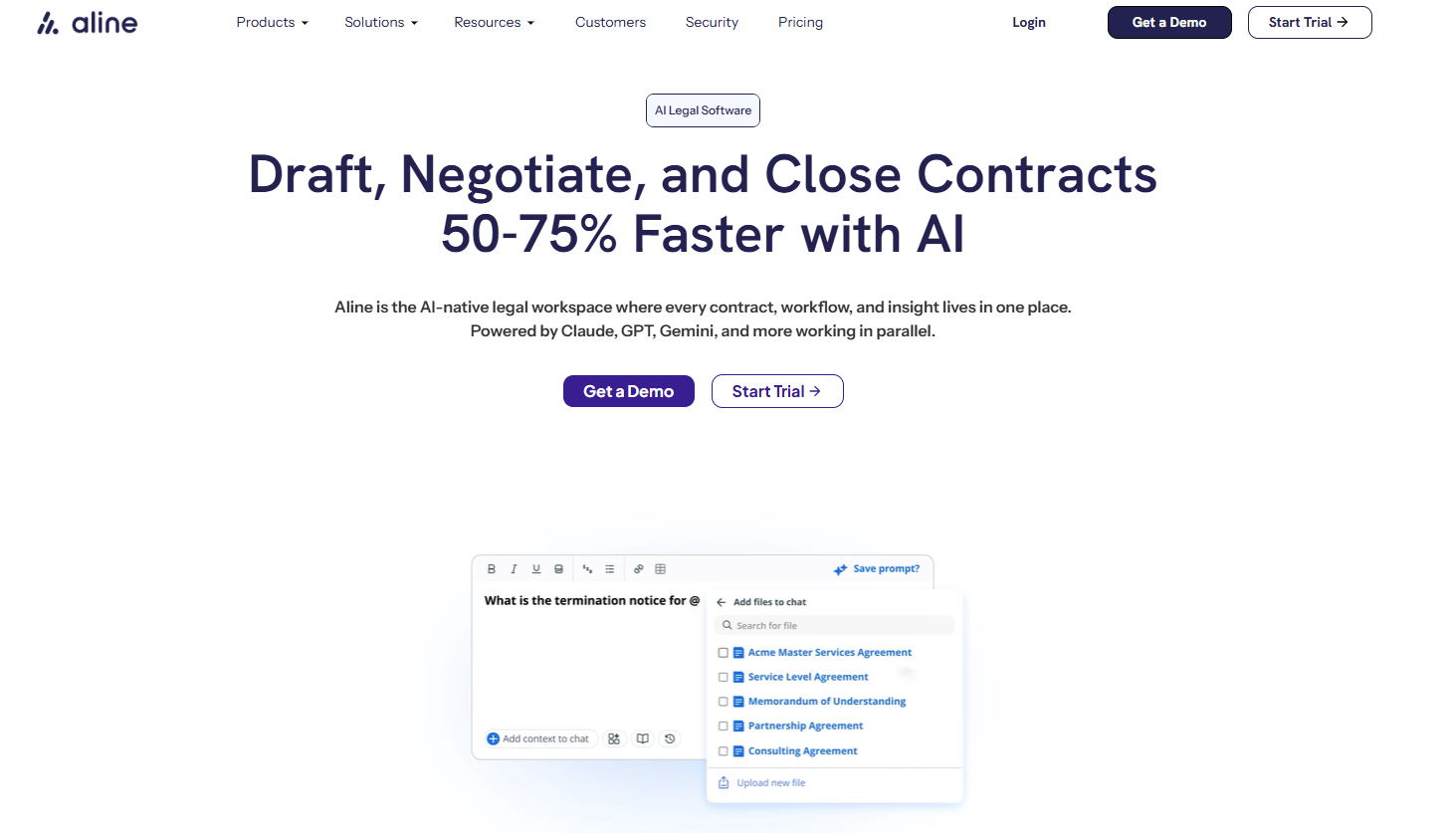
The platform combines contract drafting, AI redlining, approvals, native eSignature, repository search, and reporting into one CLM system, allowing teams to manage the full contract process without relying on separate tools for every step.
That can be especially helpful when user adoption is a priority. New users do not have to learn a heavy enterprise system before they can start moving contracts forward.
Legal can work from approved playbooks, business teams can follow clear workflows, and signed agreements can move into a searchable repository for tracking and reporting.
Better yet, Aline helps teams connect contract management to real results. It can speed up contract cycles by 30–50% and supports portfolios with over 10,000 contracts, which makes it a strong choice for teams that want faster turnaround, better visibility, and a smoother rollout.
Best Features
AI contract drafting and review: Aline helps teams draft, redline, and review contracts faster using AI inside the contract workspace.
AI playbooks: Teams can apply approved clauses, fallback terms, and review standards, which help keep contract language consistent.
Workflow automation: Aline routes contracts for review, approval, and signing to give teams a cleaner way to move work forward.
Native eSignature: AlineSign lets teams send and sign agreements inside the platform, so contracts do not need to move into a separate signing tool.
AI repository: Signed agreements move into a searchable repository where Aline can extract contract details and support faster reporting.
Contract analytics: Teams can track renewals, obligations, risk, and portfolio data in a more efficient way.
Ironclad is a familiar name in the CLM market, especially for companies that want legal and business teams working from the same contract process.
Essentially, it gives legal teams a structured way to control templates, approvals, and contract language, while sales teams can keep deals moving through its Salesforce integration.
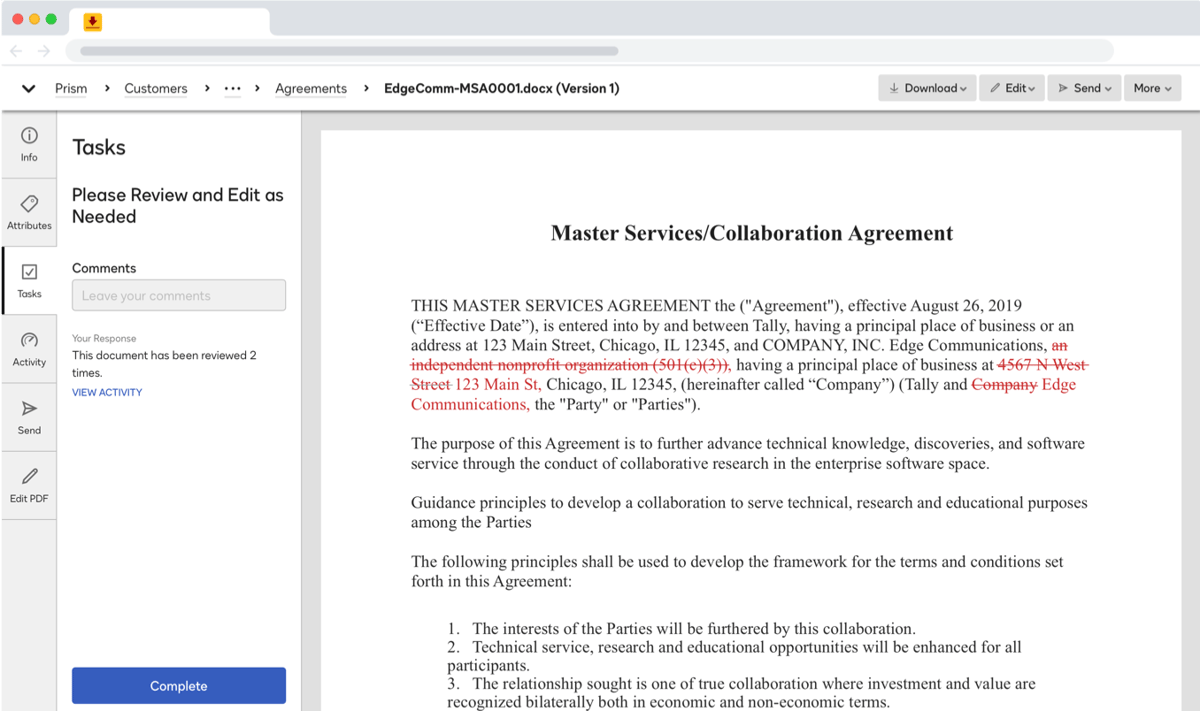
As a Sirion alternative, Ironclad works well for teams that want a contract management system with strong workflow tools and full lifecycle coverage. It can support work from request to signature, then help teams find and track agreements after they are signed.
Best Features
Full lifecycle contract management: Ironclad helps teams manage contracts from request through signature and post-signature tracking.
Salesforce integration: Teams can create, approve, review, and track contracts from Salesforce, which can help sales and legal stay aligned.
Workflow automation: Ironclad lets teams build approval flows and contract processes that fit their internal rules.
Template management: Legal teams can create standardized contract templates for business users.
Contract repository: Signed agreements can be stored, searched, and tracked from one system.
AI features: Ironclad includes AI tools for tasks like contract review, data extraction, and contract search.
Pros
Covers the full contract lifecycle
Useful for sales contract workflows
Mature CLM platform for larger teams
Helps standardize contract processes
3. Docusign CLM
Docusign CLM is a natural Sirion alternative for organizations already using Docusign for eSignature. The CLM platform helps teams manage contract generation, review, negotiation, approval workflows, storage, and post-signature tasks in a more connected way.
Source: G2
It can also work well for companies with more technical requirements. Docusign offers a CLM API that lets developers connect CLM documents, data, and services with Salesforce and custom apps.
Best Features
Docusign eSignature connection: Teams can manage signing through the broader Docusign ecosystem, which may feel familiar for organizations already using it.
Contract workflow automation: Docusign CLM helps route agreements for review, approval, and signature.
Document generation: Teams can create contracts from templates and approved language.
Centralized storage: Signed agreements can be stored in one place for search, tracking, and reporting.
Open API: The CLM API can connect documents, data, and workflow services with Salesforce and custom applications.
Post-signature tracking: Teams can manage renewals, obligations, and other contract follow-up work after signing.
Pros
Familiar eSignature experience
Useful for organizations with custom app needs
Supports contract workflow automation
4. Agiloft
Agiloft is a flexible CLM solution for teams that want more control over how their contract workflows are built. It is often a good fit for legal, procurement teams, and other business groups that need to manage different contract types through one configurable system.
Source: G2
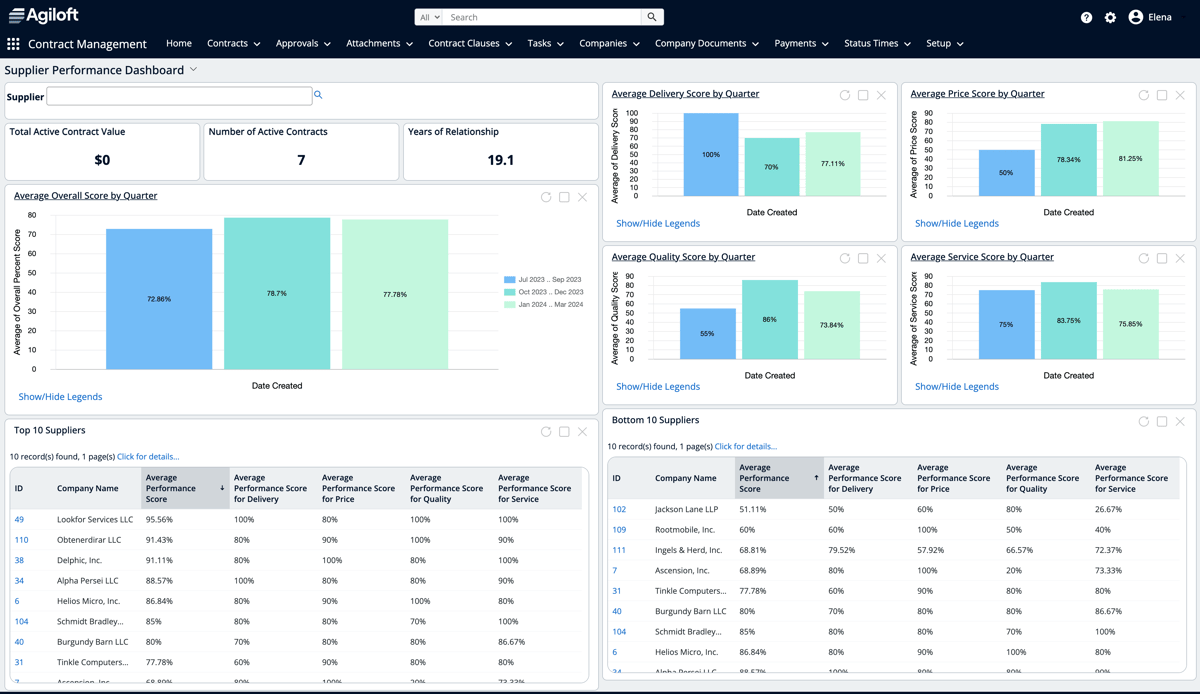
Agiloft stands out for its customization, security, and post-signature management. Teams can build workflows around their internal process, monitor obligations after signing, and keep contract data organized for reporting.
Best Features
Configurable workflows: Agiloft lets teams build contract workflows that match their internal approval process.
Procurement contract management: Procurement teams can use Agiloft to manage vendor agreements, supplier terms, and contract renewals.
Obligation tracking: Teams can monitor obligations, deadlines, and renewal dates after contracts are signed.
Security controls: Agiloft includes security features for managing contract access, permissions, and sensitive data.
Contract repository: Agreements can be stored in a centralized system for search, tracking, and reporting.
Reporting tools: Teams can track contract data, workflow status, and performance details from the platform.
Pros
Highly configurable CLM solution
Strong post-signature tracking
Helps monitor obligations
Good fit for complex workflows
Supports security and access controls
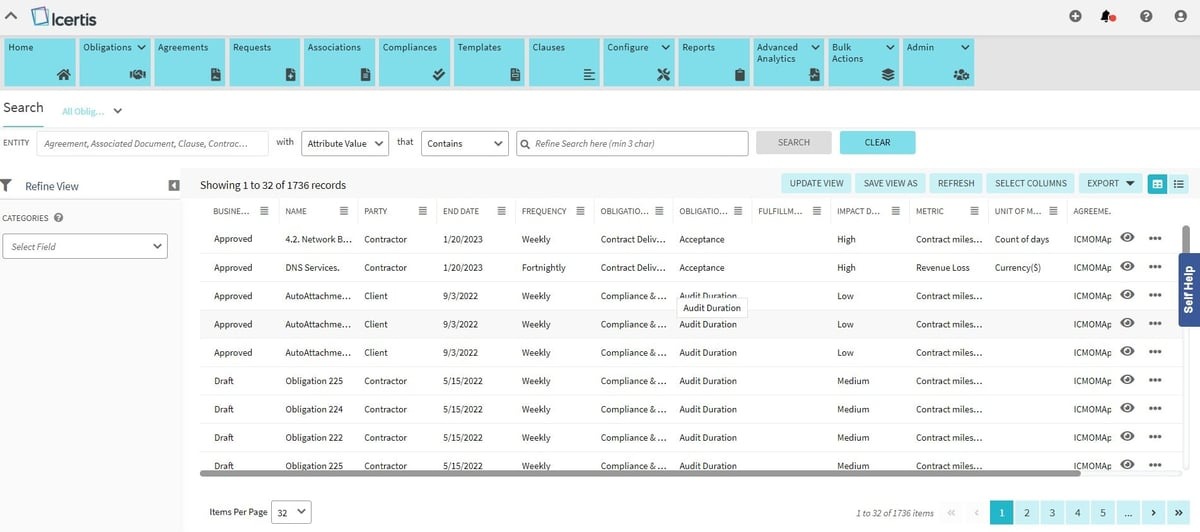
5. Icertis
Icertis is a Sirion alternative built for enterprise scale. Large organizations often use it when they need a powerful CLM platform to manage complex contract portfolios, global processes, and detailed business rules.
Source: G2
The platform can deliver strong value for companies with the time and resources to implement it properly.
It may take more planning than lighter CLM tools, but for teams that need deep configuration, advanced reporting, and broad contract control, Icertis can be a suitable option to consider.
Best Features
Enterprise-scale CLM: Icertis is built to support large contract portfolios and complex contract operations.
Contract intelligence: The platform helps teams analyze contract data and understand obligations, risks, and business terms.
Workflow automation: Teams can create structured approval and review workflows for different contract types.
Repository management: Contracts can be stored, searched, and managed from a centralized system.
Obligation management: Icertis helps teams track commitments and maintain visibility after contracts are signed.
Reporting and analytics: Teams can use contract data to measure performance, risk, and commercial value.
Pros
Built for enterprise scale
Strong fit for complex contract portfolios
Good for global organizations
Supports advanced reporting
Can deliver value for teams with complex CLM needs
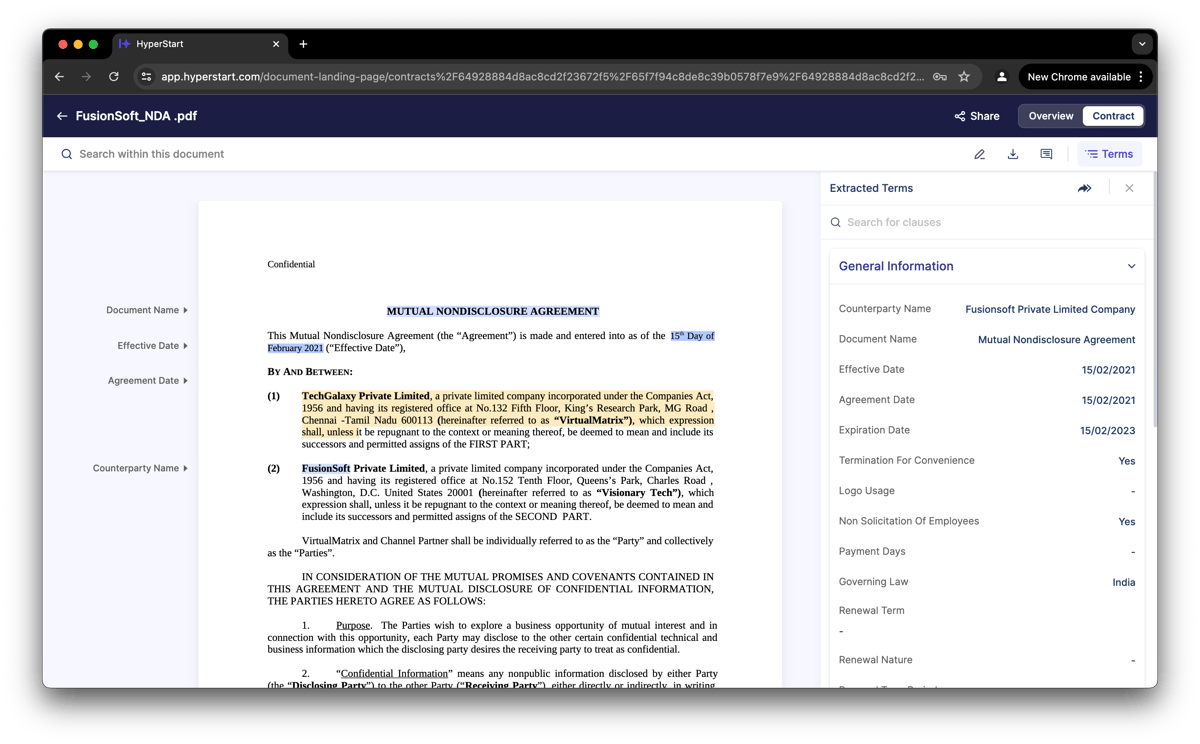
6. HyperStart
HyperStart is an AI-powered CLM platform that may appeal to Sirion users who want a lighter, faster way to manage contracts.
This tool supports contract creation, negotiation, approvals, signing, repository management, and renewals, with AI features that help reduce manual data entry and repetitive contract work.
Source: G2
It can be a practical option for legal, sales, finance, HR, and procurement teams that want contract management software with automation built into the process.
HyperStart also boasts AI-assisted workflows, contract metadata extraction, and obligation tracking, which can help teams spend less time searching through documents.
Best Features
AI contract management: HyperStart uses AI to support drafting, review, search, and contract tracking.
AI agents: The platform includes AI tools that help users manage repetitive contract tasks with less manual work.
Automated data extraction: HyperStart can pull contract metadata from agreements, helping reduce manual data entry.
Contract workflow automation: Teams can manage approvals, reviews, and signing through automated workflows.
Central repository: Contracts can be stored, searched, and tracked from one contract workspace.
Renewal and obligation tracking: HyperStart helps teams monitor key dates, obligations, and post-signature responsibilities.
Pros
Good fit for teams that want AI support
Useful for Sirion users comparing lighter CLM tools
Supports contract creation through renewals
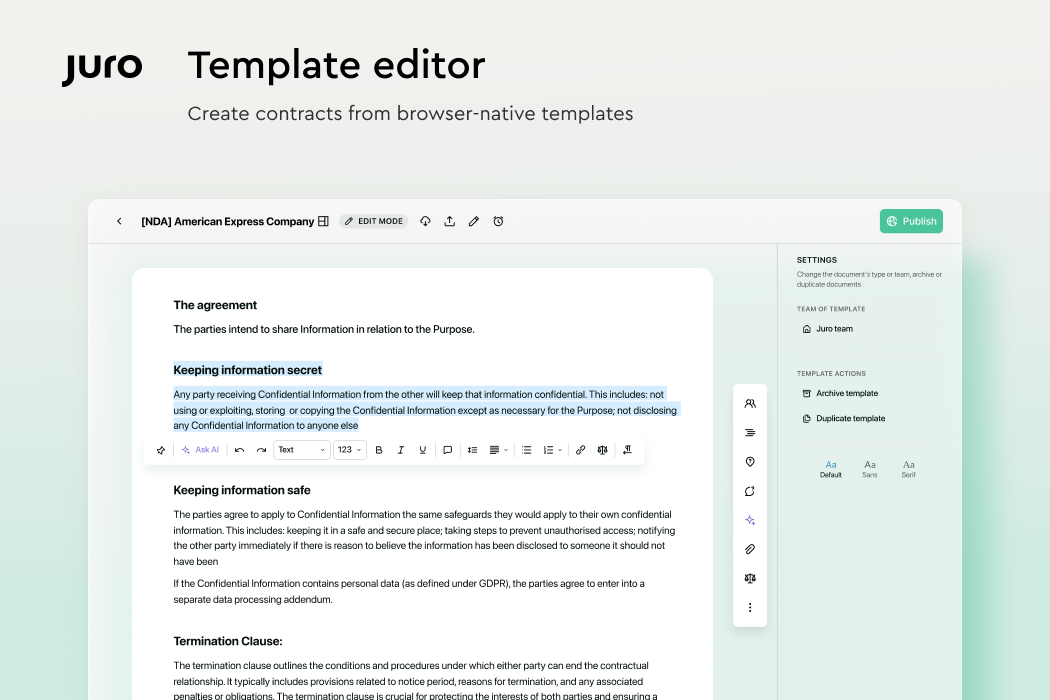
7. Juro
Juro is a CLM platform designed for teams that want contract work to feel simple for legal and business users. Many companies use it to speed up routine agreements, keep approvals clear, and make contract creation easier with minimal training.
Source: G2
Juro may appeal to teams that care about ease of use. New users can create, review, approve, and sign contracts without needing a long onboarding process.
Best Features
Easy contract creation: Juro helps teams create contracts from templates and approved language.
Workflow automation: Teams can route contracts for review, approval, and signature through structured workflows.
Collaborative editing: Legal and business users can work on contracts in one shared workspace.
Native eSignature: Juro includes signing tools, so teams can complete agreements inside the platform.
Contract repository: Signed agreements can be stored, searched, and tracked in one place.
Renewal tracking: Teams can monitor key dates and gain better visibility into upcoming renewals.
Pros
Designed for minimal training
Easy for business users to learn
Strong fit for routine contract workflows
Good option for growing companies
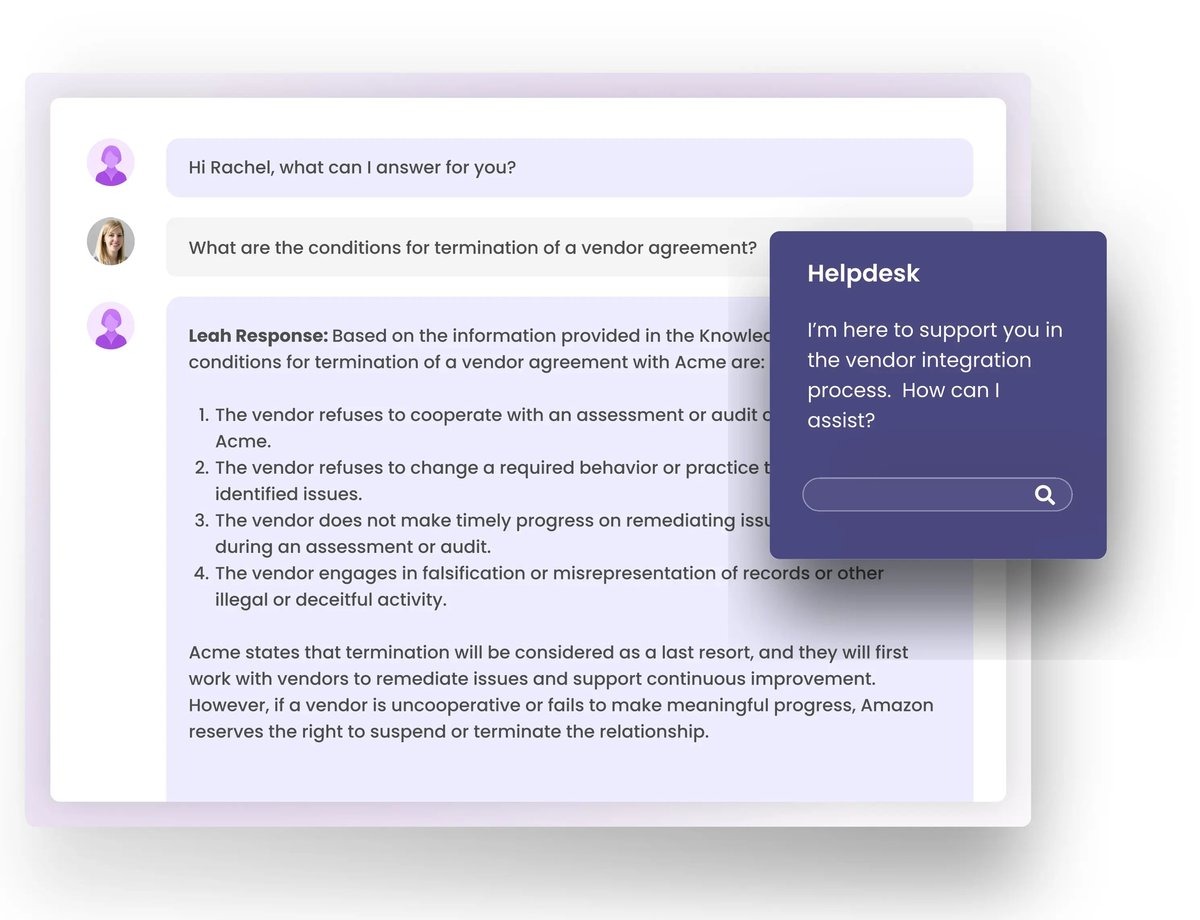
8. Leah
Leah, formerly ContractPodAi, takes a more AI-forward approach to CLM. The platform is built around agentic AI for legal, procurement, finance, and contract work, so it may fit teams that want automation to play a larger role in how agreements move.
Source: G2
For teams comparing Sirion alternatives, Leah is worth looking at because it combines contract lifecycle management with broader legal AI tools.
Its Agentic CLM product highlights automation from intake to signature to renewal, along with AI-powered authoring, contract review, obligation tracking, and smart repository management.
Best Features
Agentic CLM: Leah uses AI agents to support contract intake, creation, review, approval, signing, renewal, and obligation management.
Legal AI tools: Teams can use Leah for contract work and broader legal tasks, including areas such as compliance, governance, and risk.
AI contract review: Leah helps review contract language, apply playbooks, and flag clauses that may need more attention.
Smart repository: Contracts can be stored, searched, and tracked with AI-supported extraction and insights.
Obligation tracking: The platform can identify contract obligations, renewal language, and follow-up dates after signing.
Enterprise orchestration: Leah is designed to connect work across legal, procurement, and finance teams.
Pros
Strong agentic AI focus
Useful for enterprise legal teams
Good fit for automation-heavy teams
Helps connect legal, procurement, and finance
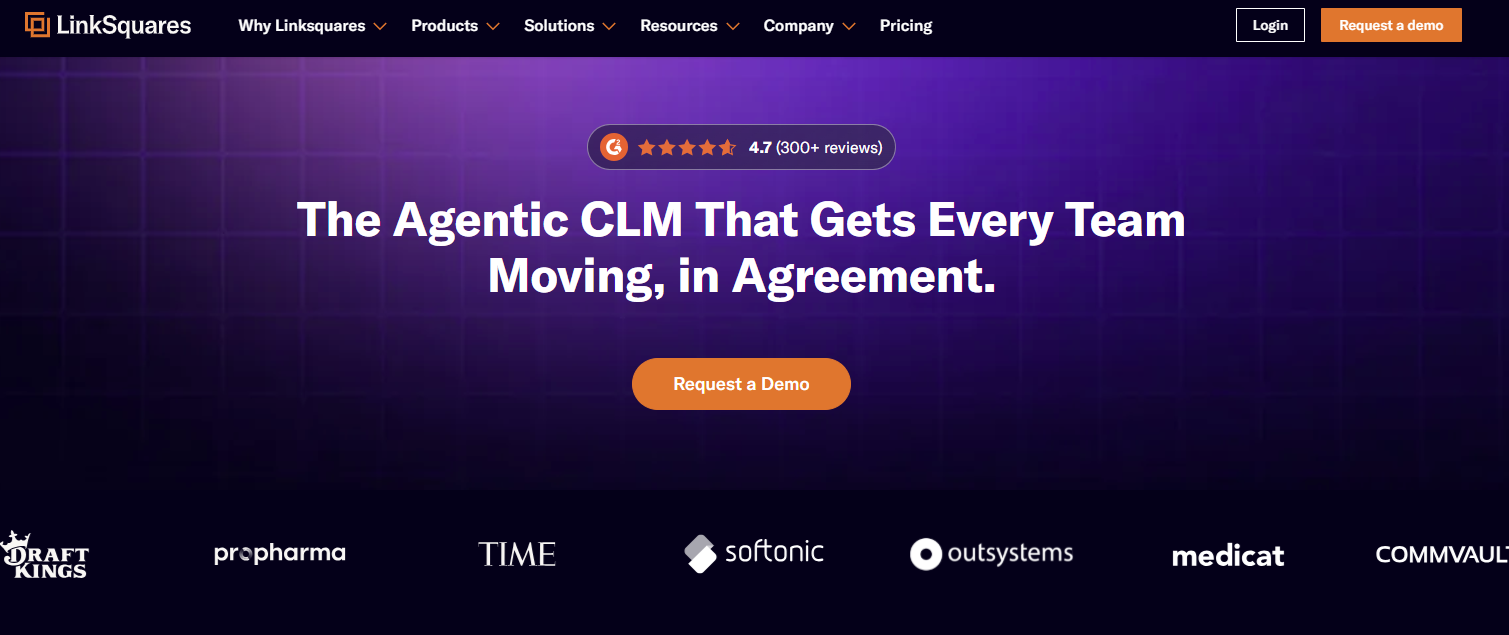
9. LinkSquares
LinkSquares is a contract lifecycle management platform built with in-house legal teams in mind. It brings pre-signature workflow and post-signature analytics into one system, which can be useful for teams that want better visibility before and after contracts are signed.
Source: linksquares.com
Compared with Sirion, LinkSquares may fit teams that want a legal-friendly CLM with strong repository search, reporting, and contract data extraction. The platform helps teams draft, negotiate, approve, e-sign, store, and analyze contracts from a centralized workspace.
Best Features
Contract analytics: LinkSquares helps teams turn contract data into searchable insights for reporting, risk review, and business decisions.
Centralized repository: Agreements can be stored and searched in one place, with visibility into terms, obligations, and key dates.
Pre-signature workflow: Teams can manage drafting, negotiation, approvals, and signing before agreements are finalized.
AI extraction: LinkSquares can pull key data from contracts, including details like dates, terms, and obligations.
Reporting dashboards: Legal teams can use dashboards and reports to understand contract trends and portfolio health.
Legal team focus: The platform is designed for in-house legal teams that need more control over contract work and reporting.
Sirion can work well for large enterprise teams, but many companies want something easier to launch, easier to adopt, and closer to the way legal and business teams already work.
Aline gives teams that path with AI drafting, redlining, playbooks, approval workflows, native eSignature, repository intelligence, and reporting in one workspace.
The difference is practical: your team can start improving contract cycles without adding more tools or forcing every user into a complicated process.
For teams that want faster contract turnaround, cleaner visibility, and a CLM that feels easier for new users, Aline is a strong option to put at the top of the list.
Sirion competitors include Aline, Ironclad, Docusign CLM, Agiloft, Icertis, HyperStart, Juro, Leah, and LinkSquares. The right choice depends on what your team needs from a CLM platform, such as faster setup, stronger AI extraction, easier reporting, or a simpler experience for business users.
What should you look for in contract management software?
Good contract management software should help your team create, review, approve, sign, store, and track agreements with less manual effort. It also helps to compare details like implementation fees, integrations, user adoption, reporting, and support, since those can affect the total cost and rollout experience.
What is the best contract lifecycle management platform?
The best contract lifecycle management platform is the one that fits your team’s process, contract volume, and timeline. Large enterprises may prefer highly configurable tools, while growing teams may want flexible deployment options, practical AI features, and a smoother path for new users.
How much do Sirion alternatives cost?
Sirion alternatives often use custom pricing, so costs can vary based on users, contract volume, features, and implementation needs. Some CLM vendors are clearer about packaging than others, so look for transparent pricing when possible and ask what is included before comparing quotes.
A master service agreement is a legally binding agreement that outlines the responsibilities and expectations of each party. Find out all about them here.
This article provides a comprehensive overview of the benefits, functional areas, and core competencies of a legal operations team. Learn more about it here.